
Adapt your business
“by far the best investment you can make is in yourself”Although Warren Buffett referred to people, his advice could be followed by those looking to build their businesses. Investing in the way you communicate with customers, suppliers, your workforce, infrastructure, your business reputation, business relations, and your own leadership, can help you and your teams be productive and proactive in any situation.

Ensure your workforce has everything they need to successfully work from home like
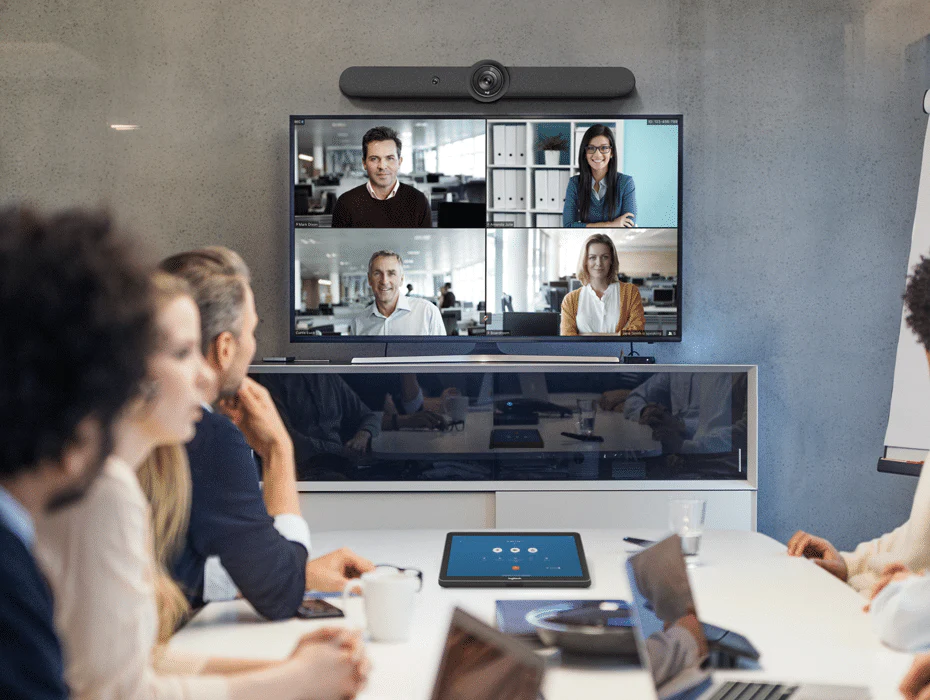
● a computer and ● home video conferencing equipment and ● subsidize their connectivity costs. When you connect your teams with the right tech they will be able to increase their productivity and by investing in their infrastructure you’ll save costs over time. Upgrading your office infrastructure ensures a seamless connection between the office and those working remotely, for a seamless hybrid working experience.Invest in your Team
Adapting to change takes time, and adoption needs training and understanding of how things work for the most optimal performance and least frustration. Take the time to invest in your own knowledge, that of your workforce, and in infrastructure for a hybrid workstyle. What digital courses or seminars can you attend that will enable you to be a better leader or will make your employees better at what they do? Microsoft, Udemy, LinkedIn, and many other digital platforms have an array of courses that you can adopt into your business. And most importantly always listen, your employees most likely have great ideas and insight on how to adapt to change. How can you make the best of it?Digitize everything
Gone are the days when the warehouse receives an invoice for goods received, now everything is done digitally. How can you convert your product or services to contactless operations? For example, documents that are in your in-tray can now be digitally stored in one place, like your Microsoft Onedrive account and you reduce the risk of files going missing and have contactless paperwork that the whole team can access which reduces the risk of COVID infections. Activities that we once thought were only for in-person attendance are now going virtual such as music concerts or international conferences.Online, online, online!
To have any chance of survival, you have to be online in one way or the other. To keep your stakeholders engaged and your brand alive you need to find ways of presenting your product, service, or event in a virtual space. Going virtual is an opportunity for growth and to expand your client base – you can reach a lot more people. For example, a teacher offering live online classes now reaches people across the country and not only those that stay locally. Going virtual also allows you to set competitive prices unlike being in a physical space where rent is a major contributor to your overheads.Communication
Communication is at the core of every relationship, whether with a customer, supplier, or team. But questions arise when people come back to the office, like should everyone in the office log in from separate computers if some people are remote in order to level the playing field? Or does that create more problems than it solves? In addition to the technological challenges, remote and hybrid teams can struggle to communicate, due to everyone having different levels of comfort communicating over screens and that’s in addition to the power, status, and language differences that already create barriers to communication in work settings.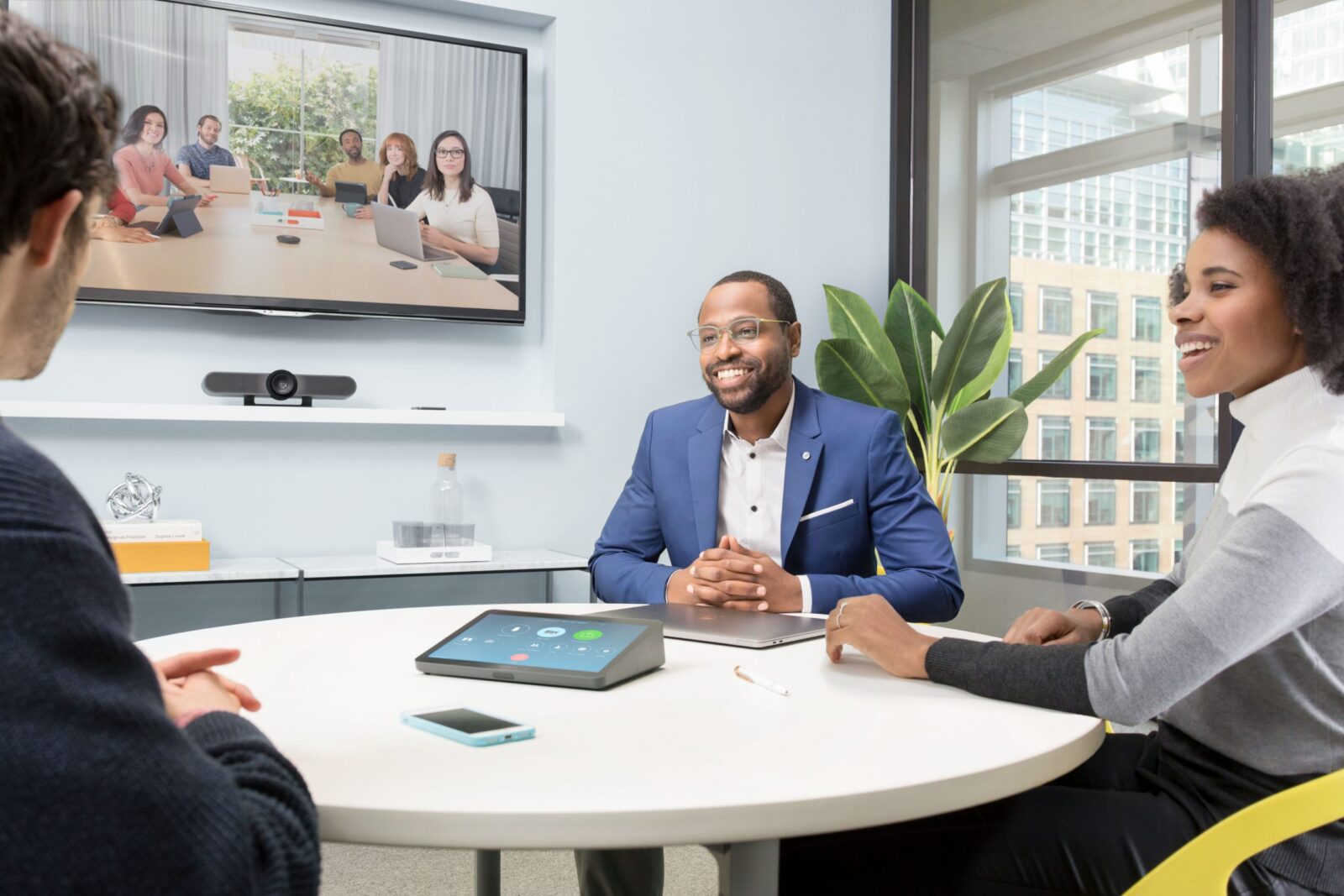
Coordination
The challenges of working together in hybrid team environments is much greater than working together in a face-to-face environment. People who work remotely can miss out on non-verbal communication, building social relationships, and sharing common creative goals. All of these factors increase the risk of developing a faultline between remote and in-person workers. Remote workers sometimes feel left out due to the extra effort required to coordinate with their co-workers. This can result in missing out on smaller exchanges, or minor decisions made when working together in the office. Over time, as people get accustomed to who’s looped in and who’s not, they can get left out of bigger conversations and more important decisions.